UB8 front garden upgrades by local gardeners Uxbridge
Posted on 10/10/2026
If your front garden in UB8 feels a bit tired, overgrown, or simply not doing your home justice, you are not alone. The good news is that UB8 front garden upgrades by local gardeners Uxbridge can make a surprisingly big difference without turning your whole property into a building site. A thoughtful front garden refresh can improve kerb appeal, make parking and access easier, and give you a cleaner, more welcoming entrance. And yes, it can be practical too, not just pretty.
In Uxbridge, front gardens often have to work hard. They may need to cope with narrow paths, shade from mature trees, street-facing exposure, or a patchwork of hard landscaping and tired planting. This guide breaks down what local upgrades involve, how to plan them properly, and which choices tend to work best in real homes, not just glossy inspiration photos.
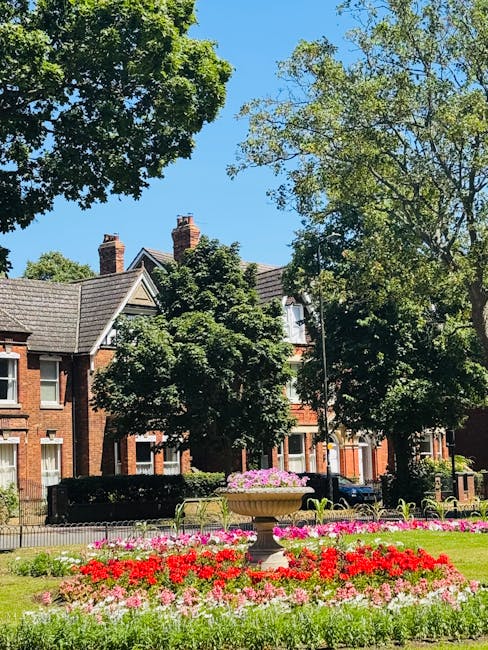
Why UB8 front garden upgrades by local gardeners Uxbridge Matters
A front garden is the first thing people notice, but it is also the part of the property that quietly affects everyday life. A sensible upgrade can soften the look of a house, improve movement from pavement to door, and reduce the little frustrations that build up over time: muddy steps, dead patches, low visibility, awkward bins, or a hedge that has grown into a beast of its own. You know the sort.
For UB8 homes, local knowledge matters because garden conditions vary from one street to the next. Some front gardens are open and windy. Others sit beneath established trees and stay damp or shaded. Some are tiny and need sharp layout decisions; others have enough space for a proper planting scheme, but only if the design is handled carefully. Local gardeners in Uxbridge tend to understand these realities and work with them, rather than forcing a one-size-fits-all approach.
That is where the value lies. A good front garden upgrade is not just a makeover. It is a small piece of outdoor problem-solving. In many cases, the best results come from combining a tidy hardscape with the right planting, a clear maintenance plan, and a few smart design details. If privacy is part of the brief, you may find useful ideas in this guide to trellises and arches for privacy and fast-growing hedges for instant screening.
How UB8 front garden upgrades by local gardeners Uxbridge Works
Most front garden upgrades begin with a simple question: what should this space do for you? The answer might be a cleaner approach, better kerb appeal, more planting, more privacy, less maintenance, or all of those at once. Once the purpose is clear, a local gardener can shape the solution around it.
Typically, the process starts with a site assessment. That means looking at the ground, drainage, light levels, existing shrubs, access points, boundaries, and the condition of any lawn, paving, or edging. This is where experience helps. For example, a front garden that looks patchy in April may actually be suffering from compacted soil, poor shade management, or grass that is simply the wrong choice for the space. A gardener who has worked locally will usually spot the pattern pretty quickly.
From there, upgrades may include:
- reshaping or reducing overgrown planting
- installing new edging or borders
- refreshing soil and mulch
- adding low-maintenance plants or evergreen structure
- improving access with paving, gravel, or steps
- adding screening, fencing, or decorative structures
- tidying lawn edges or replacing tired grass
- setting up easier maintenance routines
For more structural changes, landscaping or fencing can form part of the plan, while the finishing touches often come from planting and tidy maintenance. If your front garden has become weed-heavy or patchy, it may also be worth thinking about longer-term upkeep through garden maintenance in Uxbridge or local landscaping support.
Key Benefits and Practical Advantages
Front garden upgrades are one of those jobs that can pay you back in several different ways. Not all of them are dramatic, but together they matter.
1. Better first impression. A neat, well-planned front space immediately makes a home feel cared for. That is not vanity, by the way. It is just visual order, and people notice it.
2. Easier day-to-day use. A good design makes bins easier to move, paths easier to walk, and entrances easier to find. Small improvement, big relief.
3. Lower maintenance. Replacing high-effort features with simpler planting, proper edging, and durable surfaces can save time every week.
4. Better privacy and screening. The front garden can still feel open and welcoming while reducing unwanted sightlines, especially with hedges, climbers, or trellis features.
5. More seasonal interest. The right plants keep the front of a house looking alive through wet weeks, winter mornings, and those slightly grey stretches of weather that Uxbridge does so well. A mix of evergreens, ground cover, and structure helps a lot.
6. Better resilience. Front gardens often get battered by wind and foot traffic. Choosing hardy planting and stable materials makes the space less fragile. If wind is a real issue, it is worth reading about reducing wind impact in your garden.
7. More usable outdoor value. A front garden can become more than a buffer zone. It can be a neat arrival space, a small wildlife-friendly strip, or a calm visual frame for the property. Not bad for a square of ground people sometimes ignore for years.
Expert summary: the best front garden upgrades are not the most expensive ones; they are the ones that make the space easier to live with, easier to maintain, and more consistent with the house itself.
Who This Is For and When It Makes Sense
Not every front garden needs a full redesign. Sometimes a tidy-up, better borders, and a few structural plants are enough. But there are clear signs that a more considered upgrade would help.
This kind of work is ideal if:
- your front garden looks overgrown or neglected
- you want a better entrance without constant upkeep
- your current layout feels awkward or cluttered
- you need privacy from the road or passing foot traffic
- drainage or muddy patches are causing hassle
- your hedges, shrubs, or lawn have outgrown the space
- you are preparing to sell and want stronger kerb appeal
- you simply want the home to feel more finished
It also makes sense if the front garden is affecting how the rest of the property feels. A shabby front approach can drag down even a nice house. Conversely, a smart front garden can quietly lift the whole place. It is a bit unfair, but true.
For homes with pets or children, layout choices become even more important. Low-risk planting, clear paths, and secure boundaries matter. You might also find useful ideas in dog-friendly garden ideas and child-friendly garden planning.
Step-by-Step Guidance
A good front garden upgrade usually follows a sensible order. Skipping steps tends to create more work later, which is exactly what most homeowners want to avoid.
- Start with a proper assessment. Look at what is working, what is not, and what you want to keep. A mature shrub may be useful. A rotten edging board probably is not.
- Define the main goal. Is the priority low maintenance, privacy, better access, or a more elegant entrance? You can aim at more than one, but one should lead.
- Clear the site. Remove dead growth, weeds, debris, and anything blocking the shape of the space. If you have a lot of waste, good clearance and composting habits make a difference; see organic waste transformation ideas.
- Fix the ground. Treat compacted soil, improve drainage where needed, and level uneven patches before installing new features.
- Decide on hard features first. Paths, edging, gravel, fencing, trellis, or a small seating area should usually come before planting. That keeps the design coherent.
- Choose planting for the site. Shade, exposure, and soil type all matter. If the space is tricky, start with tough ground cover, evergreen climbers, or compact shrubs. There is a useful overview in ground cover plants for UK gardens and evergreen climbers for shady spots.
- Plant in layers. Structure at the back or boundary, mid-height interest in the middle, and lower planting near the edge. That usually gives a fuller, calmer look.
- Add the finishing touches. Mulch, tidy edging, and a final trim make a bigger difference than many people expect. Honestly, the last 10% is where the space starts to look finished.
- Set up maintenance. A front garden stays good when it is easy to maintain. That means sensible pruning cycles, weed control, and regular checks after bad weather.
If you are considering a more comprehensive refresh, it can help to look at the wider process of a makeover through where to start your garden makeover. That article pairs well with the front-garden planning approach here.
Expert Tips for Better Results
The best front gardens rarely feel overworked. They feel balanced, tidy, and intentional. A few field-tested habits make that much easier.
- Keep the plant palette restrained. Too many species can make a front garden look busy rather than stylish. Three to five core plants, repeated well, often beats a random mix.
- Use evergreen structure. Front gardens look better year-round when there is something solid holding the design together. It gives you a reliable shape in winter.
- Think vertically as well as horizontally. Small spaces benefit from trellis, arches, or climbing plants because they add height without stealing too much ground space. If that sounds useful, vertical gardening is worth a look.
- Choose materials that match the house. A modern brick property and a cottage-style frontage usually need different detailing. There is no prize for forcing the wrong style.
- Make maintenance realistic. If you do not want to be trimming every fortnight, do not plant a high-maintenance hedge and hope for the best.
- Use container planting where needed. Containers are helpful for narrow entrances, awkward corners, and rented properties. You can refresh them seasonally without reworking the whole garden. A simple guide to container gardening basics can help.
- Prune for shape, not just size. A sloppy cut can spoil the look of even healthy planting. Clean edges matter.
One more thing: do not ignore winter. Front gardens often look their best when they are planned to survive the dull months as well as the bright ones. That is why some careful preparation helps, and cold-weather plant survival tips are worth considering before the first hard frost.
Common Mistakes to Avoid
Front garden upgrades can go wrong in fairly ordinary ways. Nothing dramatic. Just avoidable stuff that quietly eats time and money.
- Starting with plants before the structure. If the path, border shape, or drainage is wrong, planting alone will not fix it.
- Overcrowding the space. New homeowners often want everything at once: lawn, hedges, flowers, a feature tree, a path, lighting, and a seating area. Sometimes less is actually better.
- Ignoring maintenance from day one. A garden that looks great for three weeks but becomes a chore is not really a win.
- Picking plants that fight the site. Full-sun plants in shade, water-lovers in dry exposed spots, high hedges in tiny spaces... you get the idea.
- Forgetting access and sightlines. Front gardens need to work for people walking in, bins coming out, and sometimes cars manoeuvring. Pretty matters, but not more than function.
- Letting ivy or invasive growth take over. It can look charming for a while, then suddenly become a maintenance problem. If that is already happening, ivy removal guidance is useful.
- Choosing cheap fixes that age badly. There is a difference between cost-effective and flimsy. The first saves money intelligently; the second just creates repeat work.
And yes, trimming a hedge on a wet Saturday with a blunt tool is usually a recipe for frustration. Sometimes the garden wins that round.
Tools, Resources and Recommendations
For homeowners and gardeners alike, the right tools make front garden work cleaner, faster, and safer. You do not need every gadget under the sun. Just the basics, used properly.
- By hand tools: secateurs, loppers, a border fork, a spade, a rake, and a hand trowel
- For tidying and shaping: hedge trimmers, edging tools, and pruning saws
- For surface work: wheelbarrow, stiff broom, gravel rake, and a pressure-safe cleaner for paved areas
- For planning: tape measure, notebook, and a quick sketch of the front elevation
- For upkeep: mulch, compost, gloves, and a simple seasonal checklist
For larger or more complex transformations, it can be worth combining garden design with broader outdoor improvements. Relevant support may include patio cleaning, lawn mowing, or decking services where those features are already part of the frontage. If you are unsure about the right approach, a local team can usually help you weigh up what to keep, what to remove, and what to upgrade first.
Also, for people trying to keep the budget under control, a careful plan often saves more than cutting corners. Thoughtful phasing, reusing sound materials, and focusing on the highest-impact areas can make the whole project feel much less stressful. There are some useful ideas in cost-effective strategies for a stress-free garden.
Law, Compliance, Standards, or Best Practice
Front garden upgrades usually fall into the category of normal domestic gardening and landscaping, but a few practical rules of thumb still matter. If you are changing boundaries, working near the pavement, installing structures, or removing trees and large shrubs, best practice becomes especially important.
Boundary and access considerations: If a new hedge, fence, or wall affects the edge of your property, check ownership and be careful not to assume the boundary is exactly where you think it is. For front gardens, visibility and access also matter more than many people realise, especially near driveways or shared paths.
Structural safety: Trellises, arches, fence panels, and similar features should be installed securely and suited to the local exposure. A light decorative arch is one thing; a tall screening feature that catches wind is another. If in doubt, stronger fixing and proper anchoring are worth it.
Tree and hedge work: If there are mature trees or large boundary hedges involved, trimming needs to be planned with care. Good pruning is not the same as hacking back growth. For larger jobs, it is sensible to use a proper tree or hedge specialist, especially where height, decay, or overhanging branches are involved. You can explore tree surgery support in Uxbridge and hedge trimming in Uxbridge for those more technical tasks.
Safety and insurance: Any reputable local gardener should work with sensible site safety practices, particularly when using tools, handling heavy materials, or working near public access. It is fair to ask about insurance, health and safety, and how the work will be managed on site. The supporting pages on insurance and safety and health and safety policy are useful for reassurance.
Privacy and data handling: If you request a quote or provide details for a visit, it is sensible to understand how your information is handled. The relevant policy pages exist for a reason; they are not just small print nobody reads.
Options, Methods, or Comparison Table
There is more than one way to upgrade a front garden, and the right choice depends on budget, time, and the amount of change you actually want. Here is a simple comparison.
| Approach | Best for | Typical strengths | Watch-outs |
|---|---|---|---|
| Light refresh | Homes needing a neat, low-cost uplift | Quick wins, better tidy-up, improved presentation | May not solve layout or drainage issues |
| Plant-led makeover | Front gardens that feel bare or dull | Seasonal interest, better texture, softer appearance | Needs the right species mix and ongoing pruning |
| Hardscape-led upgrade | Spaces with access, edging, or surface problems | More structure, durability, cleaner movement | Can look harsh if not softened with planting |
| Privacy-focused upgrade | Street-facing gardens or overlooked entrances | Screening, comfort, improved sense of retreat | Over-shading or over-closing the frontage if overdone |
| Full redesign | Homes needing a complete reset | Best long-term results, properly integrated design | More planning, more cost, more decisions |
If you are unsure which direction suits your home, a local gardener can often advise after a quick look at the site. In my experience, a lot of people think they need a full redesign when a more restrained, smarter upgrade would actually be the better call.
Case Study or Real-World Example
Here is a realistic example based on the kind of front garden work often requested in UB8. A homeowner had a narrow frontage with a tired patch of lawn, a few straggly shrubs, and a path that felt too dominant in relation to the rest of the space. The entrance looked empty in winter and messy in summer. Not awful. Just a bit forgotten.
The upgrade focused on three things. First, the overgrown material was reduced and reshaped so the front of the house could breathe again. Second, the lawn area was simplified into a cleaner structure with better edging and more planting around the perimeter. Third, a mix of evergreen and seasonal plants was introduced to give year-round shape without making the space busy.
A trellis was added near one boundary to support climbers and soften a blank wall, while the planting design used low ground cover at the front and more upright structure toward the edges. The result was calmer, more organised, and easier to maintain. Most importantly, the homeowner no longer felt slightly embarrassed walking up to the door, which is a real thing people feel, even if they do not say it out loud.
The final stage included routine maintenance planning so the garden would stay neat rather than slowly drifting back into chaos. That is usually the difference between a one-off tidy-up and a proper upgrade. Small detail, big payoff.
Practical Checklist
Use this checklist before starting a front garden upgrade in UB8. It keeps the process grounded.
- Identify the main goal: privacy, kerb appeal, access, or low maintenance
- Measure the space and note sun, shade, and drainage conditions
- Decide what stays and what should be removed
- Check whether any hedges, trees, or boundary features need specialist attention
- Choose a planting style that suits the house and the site
- Plan hardscape changes before planting
- Use durable edging and tidy finishes
- Allow for maintenance after the first big tidy-up
- Think about wind, shade, pets, and access from the start
- Ask how the work will be completed safely and what ongoing care is needed
Quick tip: if you can only improve one part first, start with the entrance path and the immediate planting around it. That is where the eye lands first, every time.
For some homeowners, the next sensible step is to bring in a local team that can handle the lot properly, from shaping and clearance to planting and maintenance. You can also explore gardening services in Uxbridge if you want a broader view of what is possible before committing to a plan.
Get a free quote today and see how much you can save.
Conclusion
UB8 front garden upgrades by local gardeners Uxbridge are about more than making a property look nicer for a week or two. Done well, they make the entrance easier to live with, easier to maintain, and far more welcoming through every season. The best results usually come from combining good structure, practical planting, and a plan that matches the real life of the home.
That might mean a simple tidy-up. It might mean privacy planting, fencing, hedge shaping, or a more complete landscaping refresh. Either way, the aim is the same: a front garden that feels calm, works hard, and looks like it belongs there. Simple enough, but not always easy. That is why local experience matters.
If your frontage has been bothering you for a while, take it as a sign. Start with the bits you notice every day. The rest has a funny way of falling into place once the first piece is right.

Renowned for her expertise in gardening, Millie has the capability to write informative articles on landscaping, lawn maintenance, and garden care, contributing to the realization of dream gardens for many.