Stockley Park office garden revamp case study gardeners Uxbridge
Posted on 03/11/2026
If you manage a workplace near Stockley Park, you already know the outdoor space can work harder. A tired strip of planting, a patchy lawn, or a courtyard that feels more functional than inviting can quietly drag down the whole setting. This Stockley Park office garden revamp case study gardeners Uxbridge explores how a commercial outdoor area can be turned into something calmer, smarter, and easier to maintain without making it feel over-designed or precious.
In simple terms, an office garden revamp is about improving the way people use and experience the space: better movement, better planting, better year-round structure, and fewer maintenance headaches. Done well, it supports staff wellbeing, gives visitors a better first impression, and reduces the sort of little frustrations that build up over time. To be fair, that last part matters more than most people think.
Below, you'll find a practical breakdown of how a project like this is planned, what tends to make the biggest difference, where commercial gardens often go wrong, and what a local Uxbridge gardening team would usually consider before lifting a spade.
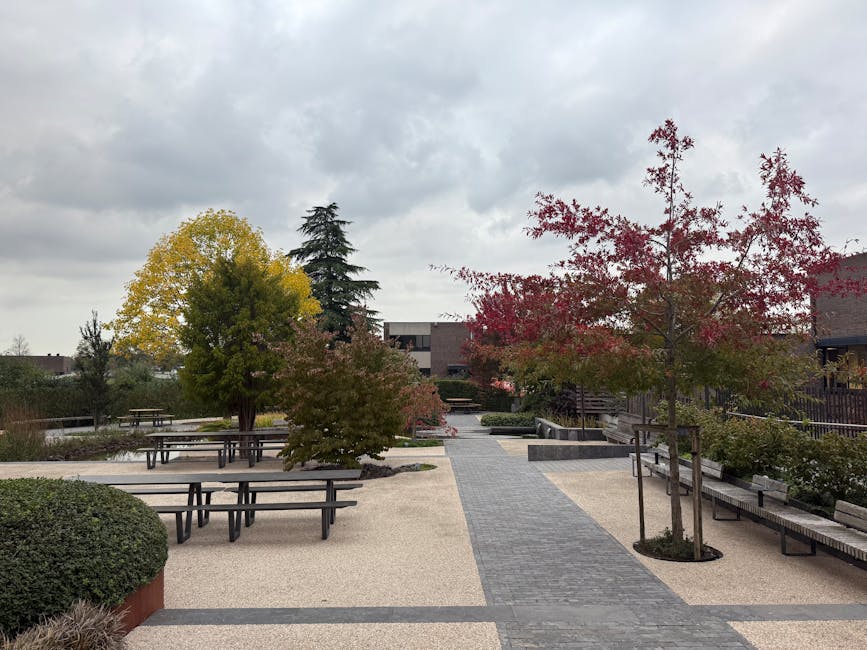
Why Stockley Park office garden revamp case study gardeners Uxbridge Matters
Stockley Park is a business environment where presentation and practicality sit side by side. Office landscaping in this kind of setting is not just decorative. It helps frame the building, softens hard edges, and gives staff a place to step away from screens for a moment. Even a compact garden can shift the mood of a whole site.
That matters because many commercial outdoor areas fail in the same predictable ways. They are either too sterile, too high-maintenance, or patched together over several years without a clear plan. You get awkward borders, exposed soil, tired shrubs, and seating areas that nobody quite uses because they feel overlooked or wind-battered. A revamp gives the space a proper reset.
There is also a practical side. A well-planned office garden can help with drainage issues, improve access, create privacy, and reduce the visual noise of bins, service paths, or blank fencing. If you have ever stood in a courtyard on a grey Uxbridge morning and thought, "This could be so much better," you're not imagining it. It probably could.
For local businesses, the value is especially strong when the work is handled by a team that understands both commercial expectations and the realities of the climate. That means using plants and materials that cope with shade, exposure, and regular foot traffic, while keeping future maintenance realistic. A beautiful space that collapses into a maintenance burden is not a win. Not really.
For broader planning ideas, it can help to explore related guidance such as where to start your garden makeover and the article on cost-effective strategies for a stress-free garden.
How Stockley Park office garden revamp case study gardeners Uxbridge Works
A successful office garden revamp usually begins with a site walk and a brutally honest assessment. Not harsh, just honest. What is staying? What is failing? Where does water collect? Which parts get shade? Which areas are most visible from desks, meeting rooms, entrances, or car parks?
From there, the design process normally balances three things:
- Use - who will walk through, sit in, or maintain the space?
- Structure - what creates shape across the year, even in winter?
- Maintenance - how much ongoing work is realistic for the site?
In a Stockley Park-style commercial setting, the answer is rarely "lots of bedding plants and a bit of luck." The better approach is to build a framework first. That often includes evergreen planting, neat edges, one or two focal points, and surfaces that can handle regular use. If privacy is needed, structure and planting are paired carefully. A well-placed screen, trellis, hedge, or climber can change how the whole area feels.
That is why related guides on trellises and arches for privacy and evergreen climbers for shady spots are so useful. They show how to add screening without making a space feel boxed in.
Commercial revamps also tend to involve clearing the obvious problems first: weeds, self-seeded growth, tired turf, damaged timber, and clutter. If ivy has crept into awkward areas, it can be worth consulting a guide on lasting ivy removal before replanting or rebuilding. Ivy has a habit of returning when you least want it to. Sneaky stuff, really.
Key Benefits and Practical Advantages
The benefits of a well-executed office garden revamp go well beyond looks. Here are the advantages that usually matter most in practice.
1. Better first impressions
Visitors notice the outside area before they notice your meeting room decor. A neat, coherent landscape suggests care, professionalism, and attention to detail. That has a subtle but real effect.
2. More usable space
A revamp can turn a dead corner into a lunch spot, a screened edge into a quiet pause area, or a narrow path into a more pleasant route between buildings. This is where planning seating with the landscape matters, and it's worth looking at comfortable seating areas for your garden oasis if you want the human side of the space to feel right.
3. Lower maintenance stress
Commercial grounds need consistent care. The trick is designing them so they do not fight you. Ground cover, evergreen structure, and restrained planting choices can reduce the amount of hand-weeding, replacement planting, and rescue work needed later. That's where smart planting palettes really pay off.
4. Stronger seasonal resilience
UK weather is not especially polite. Wind, rain, sudden frost, and long damp spells can all expose weak planting plans. A revamp lets you choose species and materials that stand up better to local conditions. For example, a site with exposure might benefit from ideas in reducing wind impact and protecting plants during adverse weather.
5. Better biodiversity and a greener feel
Even office landscapes can support pollinators, soil health, and visual softness. It doesn't need to become a wild meadow. A few well-chosen ground layers and planting pockets can make a noticeable difference, especially if supported by guidance like ground cover plants for UK gardens.
| Outcome | What it changes | Why it matters in a commercial setting |
|---|---|---|
| Visual order | Cleaner lines, better structure | Creates a more professional arrival experience |
| Plant resilience | Evergreens, ground cover, climate-suited planting | Reduces replacement costs and seasonal decline |
| Usability | Paths, seating, screening, access | Makes the outdoor area genuinely usable |
| Maintenance efficiency | Fewer weeds, simpler planting combinations | Helps the site stay tidy with less disruption |
Who This Is For and When It Makes Sense
This kind of project suits a wide range of commercial and workplace properties, but it is especially relevant when the current garden feels neglected or underused. If any of the following sounds familiar, a revamp probably makes sense.
- The outside area looks tired, patchy, or inconsistent.
- Staff avoid the space because it feels exposed or uncomfortable.
- Visitors see a lot of weeds, blank walls, or awkward corners.
- Existing planting is too maintenance-heavy for the team on site.
- You need privacy from neighbouring offices, car parks, or walkways.
- The garden has drainage, shade, or wind problems that keep returning.
It also makes sense if you are planning a broader upgrade rather than just a cosmetic tidy-up. For example, a landscape refresh may sit alongside fencing improvements, patio repairs, tree work, or routine maintenance. In those cases, services like landscaping in Uxbridge, fencing, or tree surgery may be part of the same conversation.
On the other hand, if the garden is basically sound and just needs consistent upkeep, a full revamp may be overkill. A reliable maintenance plan could be enough. That is one reason a good local gardener will often recommend a staged approach rather than throwing everything out on day one.
Step-by-Step Guidance
Here is the practical sequence that tends to work best for an office garden revamp near Stockley Park. It is not glamorous, but it avoids expensive backtracking.
- Assess the site properly. Look at sunlight, wind, existing drainage, access routes, visibility from windows, and any problem areas. Take photos from several angles. You will spot more than you do standing in one place.
- Define the purpose. Is the garden meant for staff breaks, presentation, screening, low-key biodiversity, or all of the above? The purpose shapes every decision that follows.
- Clear and simplify. Remove dead material, invasive growth, broken edging, redundant features, and anything that makes the space feel cluttered. If there is a lot of waste, consider the circular approach described in organic waste transformation.
- Fix the framework. Put the bones of the garden in place first: paths, edging, screening, seating zones, and any structural planting support. If privacy is part of the brief, climbers and trellis systems can be very effective.
- Choose the planting strategy. Mix reliable evergreen structure with seasonal interest. Use repeated planting groups rather than too many one-off specimens. Repetition creates calm. Too many random plants, and the whole thing starts to wobble visually.
- Install practical surfaces and features. Seating, paving, and decking must suit foot traffic and ongoing cleaning. If the space needs a refresh underfoot, it may be worth reviewing patio cleaning or decking services.
- Plan for easy upkeep. Make sure maintenance is realistic. That means accessible beds, sensible mulch choices, clear pruning lines, and plants that won't demand constant intervention.
- Set the maintenance rhythm. After the build, the space should move into a light but consistent care schedule with mowing, trimming, weeding, and seasonal checks as required. Ongoing support through garden maintenance in Uxbridge can keep the revamp looking like a revamp rather than a one-season miracle.
One small but important point: don't overplant. It is tempting. A freshly cleared space can look empty for about five minutes, and then somebody says, "Could we add a bit more colour?" That's how commercial beds become crowded and awkward to manage. Resist the urge, just a little.
Expert Tips for Better Results
Here are the bits of judgment that often separate a decent office garden from a really good one.
Work with the site, not against it
Shady borders should not be treated like sunny borders. Wind-exposed edges should not be planted like sheltered courtyards. Sounds obvious, but it gets ignored all the time. Matching plant choice to conditions is one of the fastest ways to improve success.
Use structure to create calm
Repeated shapes, clipped hedging, and a limited colour palette can make a corporate space feel more composed. If the goal is a sharp, polished look, explore elegant hedge shapes for inspiration, especially when defining entrances or screening service areas.
Prioritise year-round form
Winter is where weak planting plans are exposed. Evergreen shrubs, resilient climbers, and structural grasses can keep the space from looking stripped back and flat from November to March.
Make maintenance pathways obvious
Access matters more than many people expect. If a gardener can't reach the back of a bed easily, those areas become neglected. Narrow, awkward beds quickly become weed magnets. We've all seen that happen.
Choose a few "hero" features
Maybe it is a bench, maybe a screen, maybe a statement planting bed. Just one or two focal points is often enough. The rest should support them, not compete. If the space is being redesigned as a place to pause, the guidance on designing a calm zen garden space can be surprisingly useful, even in a business setting.
Think about the people who actually use it
Staff in a hurry need clear routes. Visitors need an easy visual cue about where to go. Facilities teams need places that are simple to inspect and maintain. Good commercial landscaping respects all three.

Common Mistakes to Avoid
Most disappointing office garden projects fail for boring reasons, not dramatic ones. That's actually good news, because boring problems are fixable.
- Choosing plants only for appearance. If they are wrong for the light, exposure, or soil, they will underperform.
- Ignoring maintenance capacity. A garden should suit the team that will care for it, not the dream version of the team.
- Overcomplicating the design. Too many materials, too many colours, too many plant types. The result can feel messy rather than rich.
- Forgetting privacy and comfort. Outdoor office space should feel usable, not like a corridor with shrubs.
- Skipping weed control and ground preparation. This one is classic. If the base is poor, the rest suffers. A better approach is to build from sound preparation and use effective weed management from the start.
- Neglecting seasonal protection. Young plants and newly installed features often need extra attention through their first cold spell.
A smaller mistake, but still a real one, is not thinking about how the garden will look in February. Plenty of projects look fantastic in June. Then winter arrives and they turn into a damp, empty afterthought. Bit of a shame, really.
Tools, Resources and Recommendations
The right tools and materials make the work cleaner, faster, and safer. For a commercial revamp, that usually means more than a mower and a pair of gloves.
Useful equipment may include:
- hedge trimmers and pruning tools for shaping and clearance
- spades, forks, and edging tools for bed preparation
- wheelbarrows or waste bags for clearing arisings
- mulch, compost, and soil improvers where beds need rebuilding
- barrier materials or root control solutions for persistent problem areas
- pressure cleaning equipment where hard surfaces need refreshing before planting begins
For clients who want a cleaner finish on pathways or patios, patio cleaning in Uxbridge can be a sensible supporting service. If grass areas are part of the design, it also helps to coordinate the work with lawn mowing and lawn care.
On the planning side, a good revamp also benefits from a few smart references: must-have tools for transforming your outdoor space, vertical gardening ideas, and container gardening basics if the site needs flexibility rather than permanent beds.
Law, Compliance, Standards, or Best Practice
Commercial garden work in the UK should be approached with care, especially where staff, visitors, contractors, and shared access routes are involved. The exact obligations depend on the site and the work being done, so it is wise to treat this as best-practice guidance rather than a one-size-fits-all rulebook.
For a business environment like Stockley Park, the main practical considerations usually include:
- Health and safety during clearance, pruning, lifting, cleaning, and access work.
- Insurance appropriate for commercial gardening and landscaping activity.
- Safe access and site control so people are not moving through work areas unexpectedly.
- Waste handling and responsible disposal of green waste and removed materials.
- Plant choice that avoids ongoing hazards such as obstructed sightlines, trip risks, or invasive spread.
It is also sensible to use a contractor with clear procedures and policies. If you want reassurance on that front, pages like Insurance and Safety, Health and Safety Policy, Terms and Conditions, Privacy Policy, Payment and Security, Complaints Procedure, and Accessibility Statement help show the kind of operational transparency that matters to commercial clients.
For larger companies or procurement teams, it can also be relevant to review modern slavery statement information and general supplier standards. That might sound formal, but for many businesses it is simply part of doing things properly. Sensible, really.
Options, Methods, or Comparison Table
Not every office garden needs the same kind of makeover. The right method depends on the site condition, the budget, and how much change is really needed.
| Approach | Best for | Pros | Trade-offs |
|---|---|---|---|
| Light refresh | Generally sound gardens with a few tired areas | Quick improvement, lower disruption | May not fix deeper design issues |
| Phased revamp | Sites needing staged work around operations | Better budgeting, easier to manage around staff | Takes longer to complete |
| Full redesign | Gardens with weak structure or major wear | Best long-term outcome, clear vision | More planning, higher upfront effort |
For many Stockley Park office settings, a phased revamp is the sweet spot. You can improve the most visible areas first, then move to beds, screening, or seating later. That keeps disruption manageable and helps decision-makers see progress early. Which, let's face it, is helpful when you are dealing with a business premises rather than a hobby plot.
Case Study or Real-World Example
Here's a realistic example based on the kind of work a local gardening team might carry out in Stockley Park.
A small office courtyard had become a pass-through space rather than a destination. The planting was tired, the grass struggled in shade, and the rear edge felt exposed from neighbouring views. Staff used it only when the weather was perfect, which in the UK means, well, not often enough.
The revamp approach started with clearance and a simple design reset. Dead growth and weeds were removed, the surface was tidied, and the existing layout was simplified. Instead of trying to cram in too many features, the team focused on three priorities: privacy, year-round structure, and a more comfortable break area.
To create screening, the design used vertical support planting and compact structural planting near the open side of the courtyard. This echoed the thinking in creating privacy with outdoor structures. For the shadier corners, evergreen climbers helped soften the hard boundary, while more robust ground cover reduced bare soil and made the space look finished.
A seating area was positioned where people could sit without feeling hemmed in. The result was not a flashy show garden. It was better than that. It was usable, tidy, and calm. Staff could step outside for lunch, and visitors saw a more polished edge to the building. Maintenance was simpler too, because the planting framework was chosen with upkeep in mind.
If the site had been more wind-exposed, the design might also have drawn on ways to reduce wind impact and more shelter-focused planting. The point is that the best revamps are responsive, not generic. They respond to the site in front of you, not to a mood board somebody saw once and liked.
Practical Checklist
Use this checklist if you are planning an office garden revamp near Stockley Park and want to keep things grounded.
- Assess sun, shade, wind, and drainage across the whole site.
- Identify who uses the space and how often.
- Remove dead, damaged, or invasive growth.
- Decide whether privacy, seating, or presentation is the main priority.
- Choose low-fuss, climate-suited planting with year-round structure.
- Plan access routes so maintenance is easy.
- Use screening or planting layers where overlooking is an issue.
- Refresh hard landscaping only where it genuinely helps the space.
- Keep the design simple enough to maintain.
- Set a follow-up maintenance schedule before the project is finished.
- Check safety, insurance, and site procedures for commercial work.
- Make sure the result still feels practical six months later, not just on day one.
Key takeaway: the best office garden revamps are not the most dramatic ones. They are the ones that quietly improve daily use, hold their shape through the seasons, and stay manageable without constant rescue work.
Conclusion
A strong Stockley Park office garden revamp is really a balance of design, durability, and restraint. You want the outdoor space to feel welcoming and professionally maintained, but you also want it to be realistic for the people who manage it. That balance is what separates a nice idea from a useful long-term asset.
If you are weighing up whether to refresh, repair, or fully redesign your commercial garden, start with the site itself. Look at how it behaves, how people use it, and where the pressure points are. From there, the right plan becomes much clearer. And if the first step feels awkward, that is normal. Most good projects do.
The best spaces often begin with a simple decision: make the outside feel as considered as the inside. Small improvement, big difference. Honestly, that's where the value is.
Get a free quote today and see how much you can save.


Renowned for her expertise in gardening, Millie has the capability to write informative articles on landscaping, lawn maintenance, and garden care, contributing to the realization of dream gardens for many.