Real cost of hedge trimming gardeners in Uxbridge
Posted on 26/10/2026
If you have ever looked at an untidy hedge and wondered whether to book help now or leave it until next month, you are not alone. The real cost of hedge trimming gardeners in Uxbridge is not just a number on an invoice. It is a mix of hedge size, access, waste removal, shape, condition, and the time it takes to do the job properly. In practice, what looks like a simple trim can quickly become a more involved garden maintenance task if the hedge is overgrown, spiky, or awkward to reach. This guide breaks down the real-world pricing factors, the value behind the cost, and how to judge whether a quote is fair.
Truth be told, a cheap quote is not always the best value, and an expensive one is not always a rip-off. The sweet spot sits in the middle: a tidy, safe, well-finished result that suits your garden and your budget. Let's get into what actually drives the price in Uxbridge and how to make a sensible decision without overpaying.
Why Real cost of hedge trimming gardeners in Uxbridge Matters
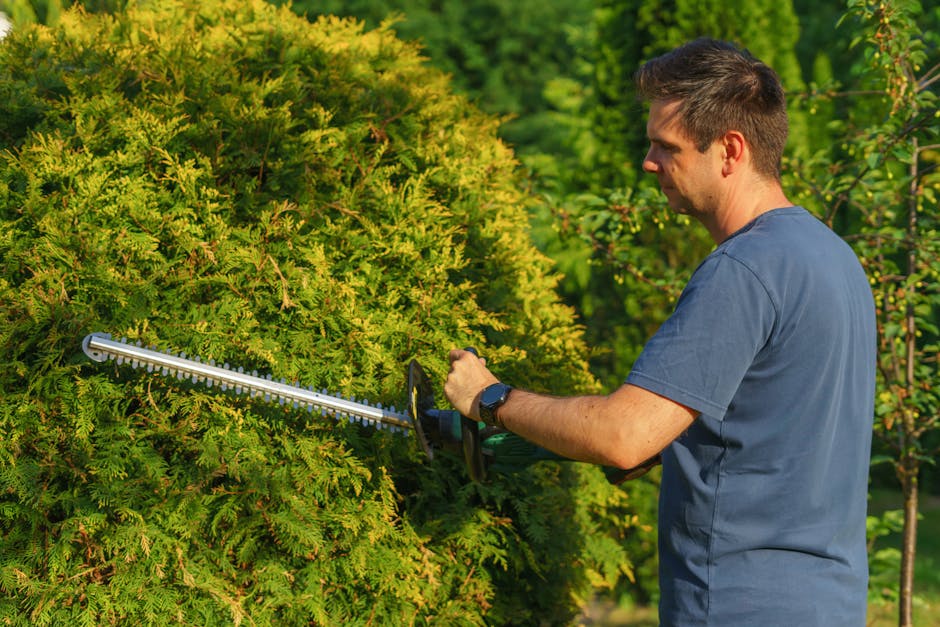
Hedge trimming is one of those jobs that looks straightforward from the patio door and much less simple once someone is standing on a ladder with a blower, shears, and a sack full of green cuttings. In Uxbridge, where many gardens have boundary hedges, privacy hedges, or mixed planting along fences, the cost matters because it affects both the look of your outdoor space and the ongoing care budget for the property.
The real cost matters for another reason too: hedge work is rarely a one-size-fits-all service. A neatly clipped front hedge beside a driveway is a different job from a tall rear boundary hedge that has not been cut since last summer. If you only compare prices on the surface, you can miss the hidden parts of the job, like waste clearance, shaping, or extra time to work safely around fencing, decking, ornaments, and nearby planting.
For many homeowners, hedge trimming is tied to wider garden upkeep. Once one border is finished, you spot the lawn that needs attention, the weeds under control, maybe even the patio that needs cleaning. That is why it helps to understand pricing in context. Services like garden maintenance in Uxbridge often make more sense than treating each task as a disconnected chore.
There is also a seasonal angle. In spring and early summer, hedges may grow quickly and need more frequent trimming. After wet spells or windy weather, they can look messy faster than you expect. If a gardener has to deal with dense growth or a hedge that has swallowed old stems and debris, the time required rises. Simple enough, really.
How Real cost of hedge trimming gardeners in Uxbridge Works
Most hedge trimming quotes are built from a few familiar ingredients: hedge length, hedge height, thickness, access, condition, and whether the gardener takes away the waste. That is the short version. The longer version is where the real cost lives.
First, the gardener looks at the hedge type. Fast-growing hedges often need a quick, regular trim, while denser or woody hedges may need a slower, more careful approach. Evergreen hedges generally hold shape well but can produce a lot of clipping. Deciduous hedges may be easier to cut back, yet they can still demand more time if they are overgrown or uneven.
Second, access matters. A hedge in an open front garden is usually simpler than one squeezed beside a narrow side passage. If ladders, long-reach tools, or careful manual cutting are needed, labour time increases. If the hedge sits close to a conservatory, a greenhouse, a fence panel, or paving that can be stained or damaged by debris, the job also becomes more delicate.
Third, the gardener has to decide whether the hedge is a light tidy-up or a proper reduction. A trim keeps the current shape. A reduction means taking the hedge back more noticeably, which takes longer and may require cleaner, slower cutting to avoid leaving bald patches. If the hedge is badly neglected, the quote often reflects that extra work.
Fourth, waste disposal changes the picture. Some jobs produce a small pile; others fill bags very quickly. A gardener who includes waste removal is not just charging for the cut. They are factoring in loading, transport, disposal, and the time that chews up. That is why a quote with disposal included can appear higher at first but may actually be better value.
And finally, there is local labour. Uxbridge sits within a busy part of West London, so rates are shaped by travel, time on site, and business overheads. You are paying for expertise, not just a pair of hands with trimmers.
Key Benefits and Practical Advantages
A properly trimmed hedge does more than look tidy. It frames the garden, keeps boundaries under control, and often improves the whole feel of the space. In a small garden, especially, a clean hedge line can make the plot feel calmer and more organised. There is something quietly satisfying about it.
Here are the main benefits people usually notice:
- Better appearance: crisp hedge lines instantly lift the garden.
- Healthier growth: regular trimming helps many hedges stay dense and balanced.
- Safer boundaries: overhanging growth can block paths, gates, or driveways.
- More privacy: maintained hedges tend to work better as screening.
- Less long-term cost: keeping on top of trimming is usually cheaper than rescuing an overgrown hedge later.
There is also a practical design benefit. A smart hedge trim can support other garden features. For example, if you are building privacy with planting, it makes sense to think about structure and balance too. Articles like fast-growing hedges for instant privacy and trellises and arches for privacy show how hedge work often sits alongside other screening choices.
For some gardens, hedge trimming also supports wildlife-friendly planting. You do not want to hack things back so hard that the hedge loses its sheltering value. A thoughtful cut keeps the garden neat without stripping away all the character. That balance is where a decent gardener earns their keep.
Who This Is For and When It Makes Sense
Hedge trimming services make sense for a wide range of Uxbridge homeowners and landlords. If the hedge is short, the access is easy, and you enjoy garden work, you may only need help once or twice a year. If the hedge is tall, mixed, or growing close to boundaries, professional trimming starts to look a lot more sensible.
This is especially useful if:
- your hedge is above head height or awkward to reach
- you need regular maintenance rather than a one-off tidy
- you want a clean formal shape instead of a rough cut
- you are worried about ladders, slopes, or uneven ground
- you do not have time to deal with clippings and disposal
- the hedge is part of a larger frontage, boundary, or screening layout
It also makes sense if the hedge is part of a wider refresh. People often start with one job and then realise the whole space needs a reset. If that sounds familiar, a broader approach through gardening services in Uxbridge or a planned landscaping project may be the smarter move.
And if the hedge has started rubbing against fencing, blocking a view, or forcing the lawn edge into a strange shape, you are probably past the "I'll just do it myself on Saturday" stage. No shame in that at all. Gardens have a habit of telling the truth eventually.
Step-by-Step Guidance
If you want to understand the real cost, it helps to think like the gardener for a minute. The quote usually follows a sequence, and once you know the sequence, you can judge the price more confidently.
- Measure the hedge roughly. Estimate length, height, and how thick it is. Even a rough measurement helps a lot.
- Check access. Ask yourself: can someone work from ground level, or will they need platform tools or careful ladder work?
- Decide on the finish. Do you want a light trim, a fuller reshape, or a more noticeable reduction?
- Think about waste. Will you need clippings removed, bagged, loaded, and taken away?
- Inspect hedge condition. Is it healthy and even, or patchy, woody, and full of dead growth?
- Ask what is included. A quote should clearly say whether shaping, cleanup, and disposal are part of the price.
- Compare like for like. Two quotes only make sense if both cover the same job. Otherwise you are comparing apples and pears.
Here is a useful way to think about it: a hedge trim is rarely just "cut and go". The real job includes setup, protection of nearby surfaces, the cut itself, gathering waste, checking the finish, and tidying the site so it does not look like a green explosion happened in your border. A decent crew leaves the place better than they found it, not merely shorter.
If your garden is on the windy side, or hedges are already stressed by weather, timing matters too. Articles such as ways to reduce wind impact and protecting your garden during adverse weather are useful reminders that hedge care is not isolated from the rest of the garden.
Expert Tips for Better Results
After plenty of garden jobs, a few things become obvious. Good hedge trimming is less about brute force and more about judgement.
- Trim before things get out of hand. Frequent light cuts are usually easier than rescue work.
- Choose the right season for the hedge type. Some hedges tolerate trimming better at certain times of year than others.
- Ask for shape, not just height. A hedge that is narrower at the top and wider at the base often stays healthier and keeps more light lower down.
- Protect nearby planting. Good gardeners don't just cut the hedge; they protect what grows beneath and around it.
- Be realistic about waste. Dense hedge cuttings look harmless until they are all on the ground. Then it's a proper mountain.
- Use the trim to improve the whole garden. A hedge cut can be the first step in a wider tidy-up, especially if you are planning a makeover.
If privacy is the goal, hedge trimming should support that goal, not undo it. For example, a mature hedge might be paired with other features like ground-level planting or climbing greenery for a fuller screen. You can explore ideas in ground cover planting ideas and evergreen climbers for shady spots.
One more thing: if you feel a hedge has become too awkward for regular DIY trimming, trust that instinct. That is usually the point where hiring help starts saving you time, tension, and possibly a bruised shoulder. Been there, seen it, no glamour in it.
Common Mistakes to Avoid
Most pricing mistakes happen before the work starts. People either underestimate the job or fail to compare quotes properly. Both are easy to do.
- Assuming every hedge trim is similar. A low box hedge and a tall conifer-like boundary hedge are nowhere near the same job.
- Ignoring waste removal. If it is not included, the cheaper quote may stop being cheap very quickly.
- Choosing only on price. If a gardener rushes or cuts poorly, you may end up paying again sooner than expected.
- Waiting too long. Overgrown hedges often cost more to sort out.
- Forgetting access issues. Narrow gates, parking limits, and tight side passages can all add time.
- Not asking for the end result. "Trim it" can mean different things to different people. Be specific.
Another common slip is expecting the same quote in every season. Growth changes, weather changes, and hedge condition changes. A hedge cut in dry, easy summer conditions may not carry the same labour as a damp winter tidy-up after a rough spell. The bill reflects reality, not wishful thinking.
If the hedge is tangled with ivy, that is a special case too. It may look like hedge work, but it can turn into a more complex clearance job. In that situation, reading advice on conquering ivy can help you understand why the price may rise.
Tools, Resources and Recommendations
Professional hedge trimming usually relies on the basics done well: sharp cutting tools, long-reach equipment where needed, safety gear, gloves, eye protection, and the right waste bags or transport. The real value is not just the tools, though. It is knowing when to use them and when to slow down.
If you are assessing a gardener or planning the job yourself, these are useful practical points to consider:
- Sharp blades matter: cleaner cuts are kinder to the hedge.
- Safety matters: tall hedges, slippery ground, and overhead reach should never be treated casually.
- Seasonal planning matters: some hedge types are better left until the right growth phase.
- Clear scope matters: know whether the quote includes shaping, edging, and waste collection.
- Garden context matters: nearby lawns, patios, and fencing can affect the setup and cleanup.
If your outdoor space is being improved all at once, it can help to review practical garden planning content like where to start your garden makeover or cost-effective strategies for a stress-free garden. Those ideas often lead to a better spend overall, because you are not just reacting to each task in isolation.
And, just between us, a tidy hedge can make the rest of the garden look better without you lifting a finger elsewhere. It is one of the best-value visual improvements you can make. A bit unfair on the hedge, maybe, but there we are.
Law, Compliance, Standards, or Best Practice
For hedge trimming, the most relevant issue is not usually a complicated legal one, but safe and responsible practice. A professional gardener should work in a way that respects property boundaries, avoids unnecessary damage, and uses safe access methods where height or conditions create risk.
In the UK, good practice generally means:
- working carefully around neighbouring properties and shared boundaries
- checking access and stability before using ladders or elevated equipment
- wearing appropriate protective gear
- managing cuttings and debris safely
- disposing of waste responsibly
It also makes sense to choose a provider that is open about business policies and safety standards. Pages such as insurance and safety, health and safety policy, and terms and conditions help signal that the work is handled professionally. That kind of transparency is reassuring, especially when tools, height, and property boundaries are involved.
If you are hiring for a rented property or a shared home, be sensible about permissions and boundaries before work starts. A little clarity at the start saves awkward conversations later. Not a thrilling part of gardening, admittedly, but a useful one.
Options, Methods, or Comparison Table
When people ask about hedge trimming cost, what they often want is a comparison: DIY, one-off gardener, or scheduled maintenance. The right option depends on the size of the hedge, your available time, and how tidy you want the result to be.
| Option | Best for | Typical trade-off | Cost feel |
|---|---|---|---|
| DIY trimming | Small, easy-access hedges | More time, more effort, disposal to sort yourself | Lower cash cost, higher personal effort |
| One-off gardener visit | Moderate hedges, tidy-up jobs, occasional maintenance | May cost more per visit than regular upkeep | Middle ground |
| Regular hedge maintenance | Fast-growing or formal hedges | Ongoing commitment, but less overgrowth | Often best value over time |
| Full garden care package | Busy households or larger properties | Broader scope than just hedges | Higher overall spend, but streamlined service |
There is also a style choice. Some homeowners want a sharp, formal line; others prefer a softer, more natural shape. A more decorative finish can take longer, especially when the hedge forms part of a designed boundary. If that sounds like your garden, the article on elegant hedge shapes is a useful companion read.
In short, the cheapest option is not always the most economical. If the hedge grows quickly and you keep having to redo it, regular care may be better value. Honestly, that is where many people end up anyway.
Case Study or Real-World Example
Picture a typical Uxbridge rear garden: a medium-height hedge along the back fence, a narrow side passage, a small lawn, and a patio area where the clippings can easily end up if nobody is careful. The hedge has not been trimmed properly for a season or two. It has grown thick, the top is uneven, and the bottom has started to sprawl.
In that kind of job, the quote is rarely just for cutting green tips. The gardener has to assess access through the side passage, protect the lawn and paving, trim the hedge in stages, gather the waste, and leave the area clean. If there is an old ivy tangle behind the hedge, the job becomes more fiddly. If the hedge is also part of a privacy screen, the trimming has to be neat enough to preserve coverage while still reducing bulk.
Now compare that with a front hedge that gets a light tidy every few weeks. Easy access, modest growth, and little waste. That job is simpler, faster, and usually cheaper. Same service label. Very different real cost. That is the bit people miss when they search for a number online and hope it fits every garden.
We have also seen cases where hedge trimming triggers a wider rethink of the whole outdoor space. Once the hedge is neat, the client notices the seating area could be better arranged, or the lawn edge could be improved. That often leads to practical follow-on work like lawn mowing in Uxbridge or even a larger garden maintenance visit. One tidy job leads to another. Gardens have a way of doing that.
Practical Checklist
Use this quick checklist before you agree to any hedge trimming quote:
- Measure the hedge length and approximate height
- Note whether it is a light trim or a heavy reshape
- Check access through gates, side passages, or uneven ground
- Ask if waste removal is included
- Confirm whether shaping and tidying are part of the quote
- Ask how they handle nearby paving, fences, and delicate planting
- Request clarity on timing and likely duration
- Make sure safety and insurance are covered
- Compare the scope, not just the headline price
- Think about whether the hedge needs regular care, not just a one-off cut
If your garden is also home to pets, children, or fragile planting, that should affect the plan too. A more careful setup may take longer, but it avoids headaches later. For family-friendly outdoor planning, the guide on dog-friendly flourishing gardens may be handy.
Expert summary: the real cost of hedge trimming in Uxbridge is usually determined by hedge size, access, condition, shaping detail, and waste removal. If you compare those elements fairly, you will get a much truer sense of value than by focusing on price alone.
Conclusion
The real cost of hedge trimming gardeners in Uxbridge is not just about what it takes to cut a hedge. It is about how much time, care, access planning, cleanup, and safe working are needed to do the job properly. Once you look at the whole picture, the pricing starts to make more sense.
For small, tidy hedges, the job can be quick and affordable. For taller, denser, neglected, or awkward hedges, the cost rises for good reason. That is not a sign of padding; it is a sign that the work is being priced to match the reality on site. And that is usually what you want.
So if you are comparing quotes in Uxbridge, ask what is included, judge the scope carefully, and think about the long-term condition of the hedge rather than only this month's bill. A well-trimmed hedge quietly improves the whole garden, and that feeling lasts. A small thing, perhaps. But a good one.
Get a free quote today and see how much you can save.

Renowned for her expertise in gardening, Millie has the capability to write informative articles on landscaping, lawn maintenance, and garden care, contributing to the realization of dream gardens for many.